10.3 Consistency and reading output
Consistency between the RQ, hypotheses, the CI, the hypothesis test, and the results is important. For example: if the RQ is written in terms of proportions, then the hypotheses, CI and so forth should also be written in terms of proportions.
In addition: explaining exactly what the statistic and the CI are estimating (the parameter) is very important.
Suppose a researcher asked the RQ:
For Australians, are the odds of people with mosquito bites the same for people sitting near a citronella candle as for people sitting near an ordinary wax candle?
- Which would be the appropriate null hypothesis?
- Which would be the appropriate CI to produce?
- Which would be the appropriate hypothesis test?
The jamovi output is shown in Fig. 10.1.
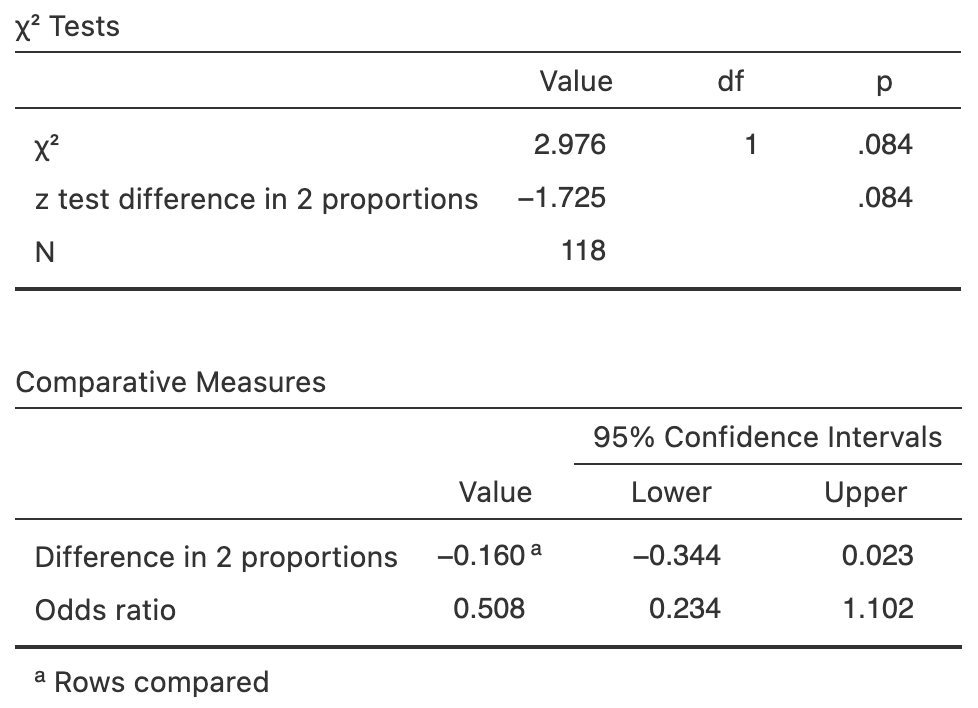
FIGURE 10.1: Mosquito bites when near different types of candles.
- What is the odds ratio?
- Very carefully, explain what this odds ratio means in context.
- The output also shows the difference between proportions. Very carefully, explain what this difference means in context.
- In the study, the odds that someone received a mosquito bite when a wax candle was being used was \(2.167\). What are the odds that someone in the study received a mosquito bite when a citronella candle was used?
- The \(95\)% CI for the odds ratio is from \(0.234\) to \(1.102\). Very carefully interpret what this means in context.
- Suppose the \(95\)% CI for the odds ratio was from \(0.11\) to \(0.94\). Very carefully interpret what this would mean in context.
- Suppose the \(95\)% CI for the odds ratio was from \(1.28\) to \(4.13\). Very carefully interpret what this would mean in context.
- Check that the CIs are statistically valid.